Rithisha
Indigenous Tree Genetic Conservation and Improvement Programme
Tumerithi, Tuwarithishe — 'we inherited them, let us pass them on.'

Tanzania’s wood product industry is growing, and four Miombo tree species underpin this multimillion-dollar trade. ~500,000 m³ is legally harvested each year – to say nothing of what is illegally taken. Every cubic metre comes from wild sources, and demand is set to nearly triple by 2050.
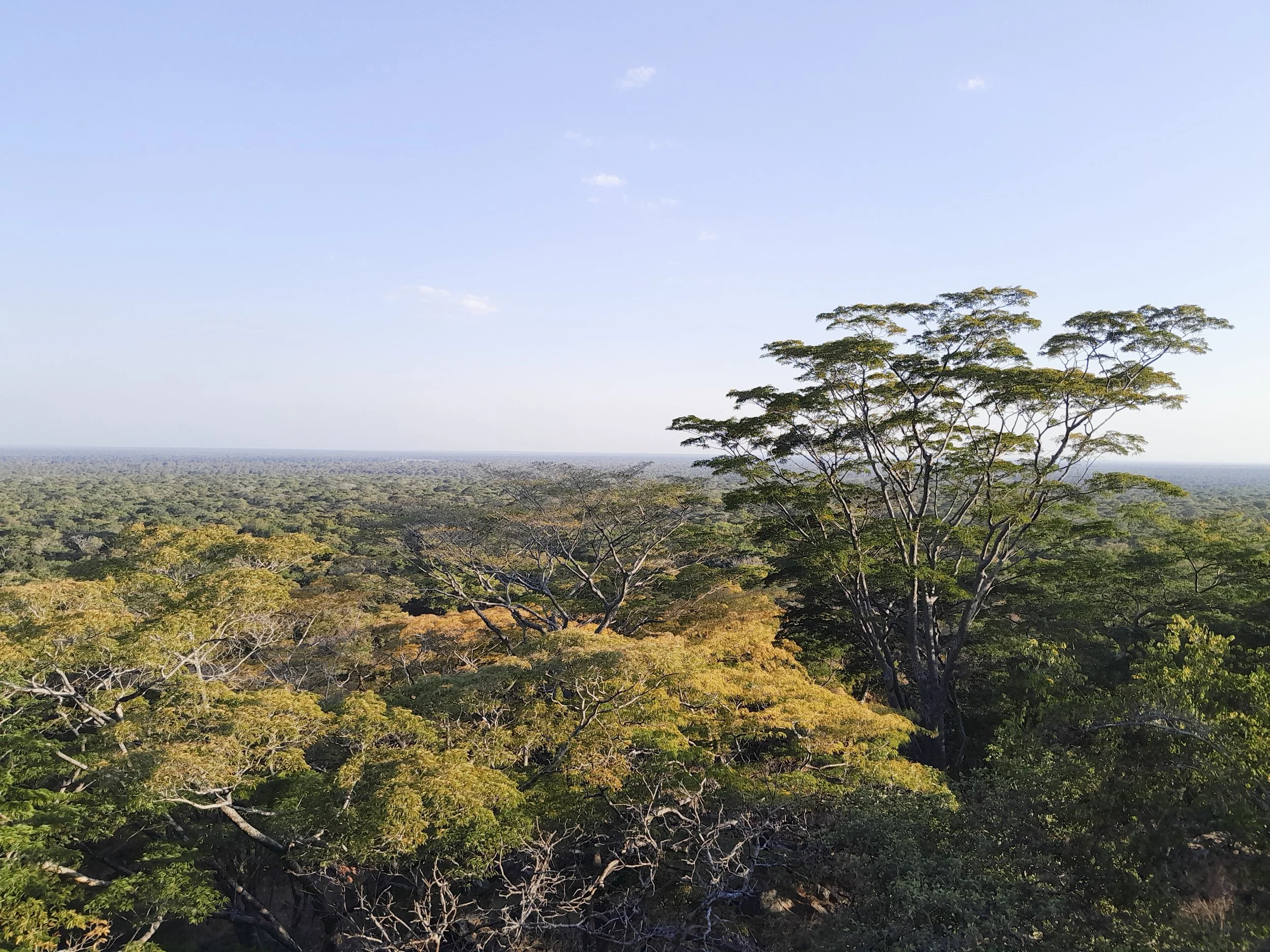
These wild sources — the Miombo and Northern Zambezian woodlands — are under mounting pressure.
We have inherited a rich, invaluable resource. Unless we sow seeds for the future, there will be no heritage to pass on.
Our inheritance
What does Rithisha do?
Rithisha produces seeds, seedlings and clonal cuttings – known as germplasm – of Tanzania's most valuable indigenous timber species. By identifying superior wild individuals — ‘plus trees’ — and breeding from them for growth rate, stem form, and wood quality, Rithisha produces germplasm optimised for commercial performance.
The Rithisha vision: Planted stands of indigenous timber species provide alternative sources of wood fibre, sustain rural livelihoods, restore ecological processes, and improve biodiversity connectivity across the woodland biomes of sub-Saharan Africa.
One biome, four species
-
![A leafless tree with snow on its branches in a dry, grassy field under a clear blue sky.]()
Mninga
Pterocarpus angolensis | African Padauk
CITES: Appendix II IUCN Population Trend: Decreasing
A brown-red timber that works easily, is exceptionally stable, and boasts teak-comparable strength. Immune to borers and fungal attack, it is ideal for furniture, joinery, flooring.Tanzania holds some of the highest wild growth rates recorded in the species' range.
-
![Tall tree with a thick trunk and green foliage in a forest with smaller trees and grass at the base, under a blue sky with some clouds.]()
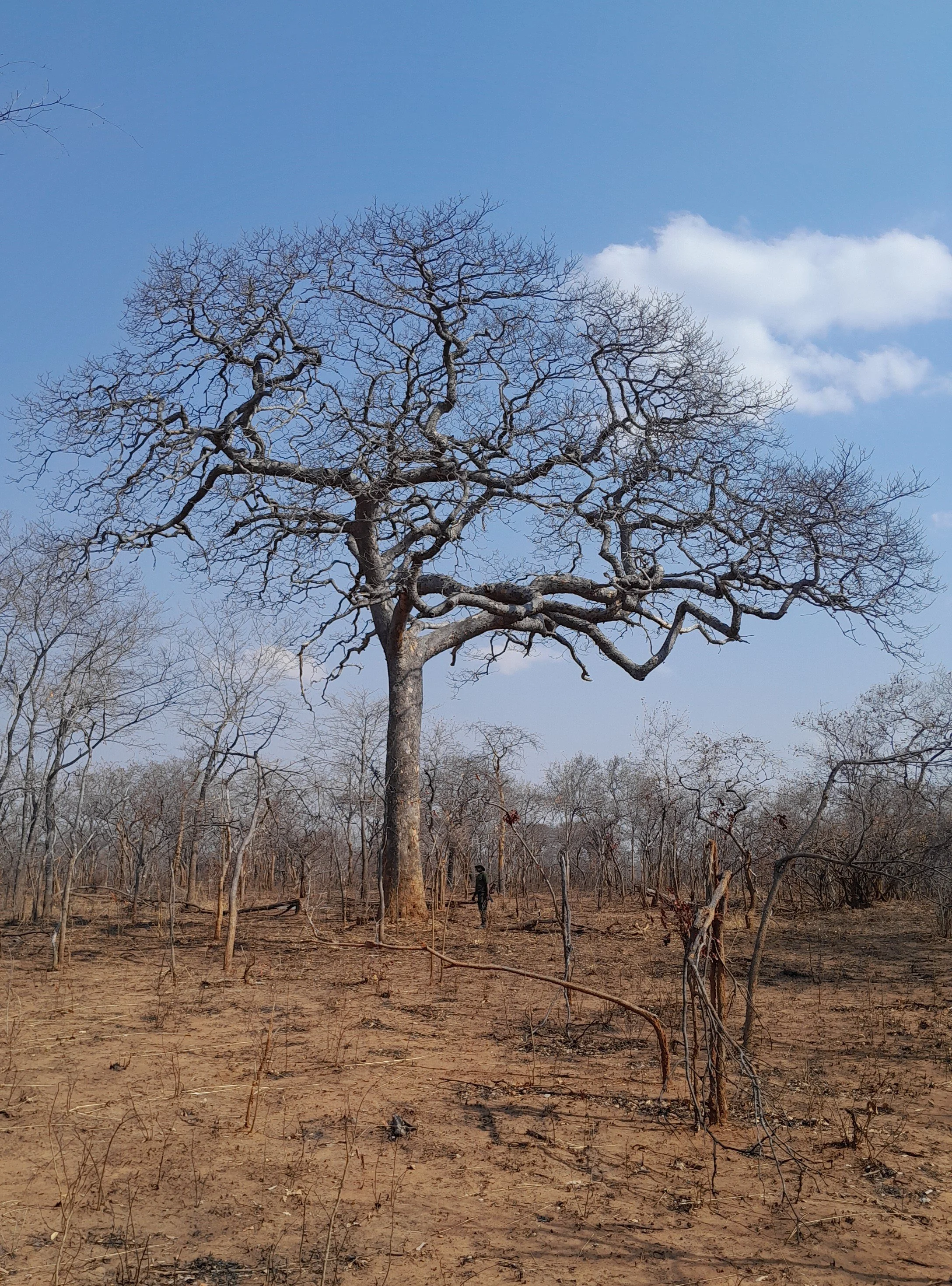
Mkola
Afzelia quanzensis | Pod Mahogany
CITES: Appendix II IUCN Population Trend: Decreasing
A hardwood that is red-brown in colour and resistant to termites, marine borers, and acids. These traits lend it to high-grade construction, flooring, and shipbuilding.An eight-year-old planted stand in the Mtwara region, from unimproved seed, proves commercial viability is attainable on Tanzanian soils.
-
![A leafless tree in a dry grassy field with a red pickup truck partially visible on the right side, under a clear blue sky.]()
Mkalati
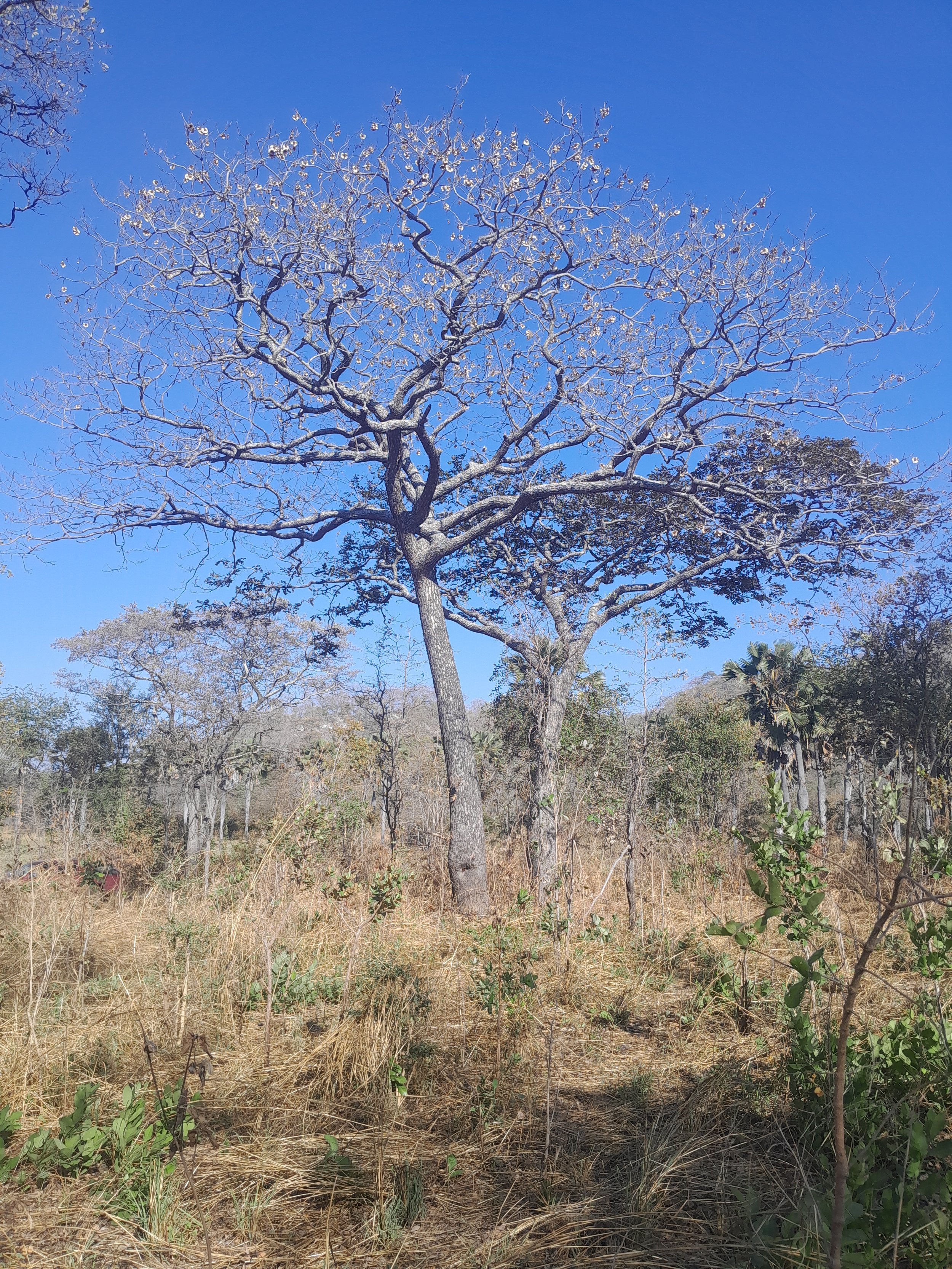
Burkea africana | Wild Seringa
CITES: Not listed IUCN Population Trend: Decreasing
Dense and red-brown in hue, Mkalati is immune to termites, making it well-suited to flooring, sleepers, bridges, and heavy construction. It is also the least studied of the four.This species is valued particularly where Pterocarpus angolensis and Afzelia quanzensis stocks are absent.
-
![A tall, sparse tree with a small canopy stands alone in a field of dry grass under a clear blue sky.]()
Mbanga
Pericopsis angolensis | Mbanga
CITES: Not listed IUCN Population Trend: Stable
Mbanga is exceptionally hard, and dark brown in colour. It wears smooth under abrasion and is often used for mining timber, bridge piling, sleepers, and industrial flooring.It fills the commercial gap where Pterocarpus angolensis stocks have been most heavily depleted.
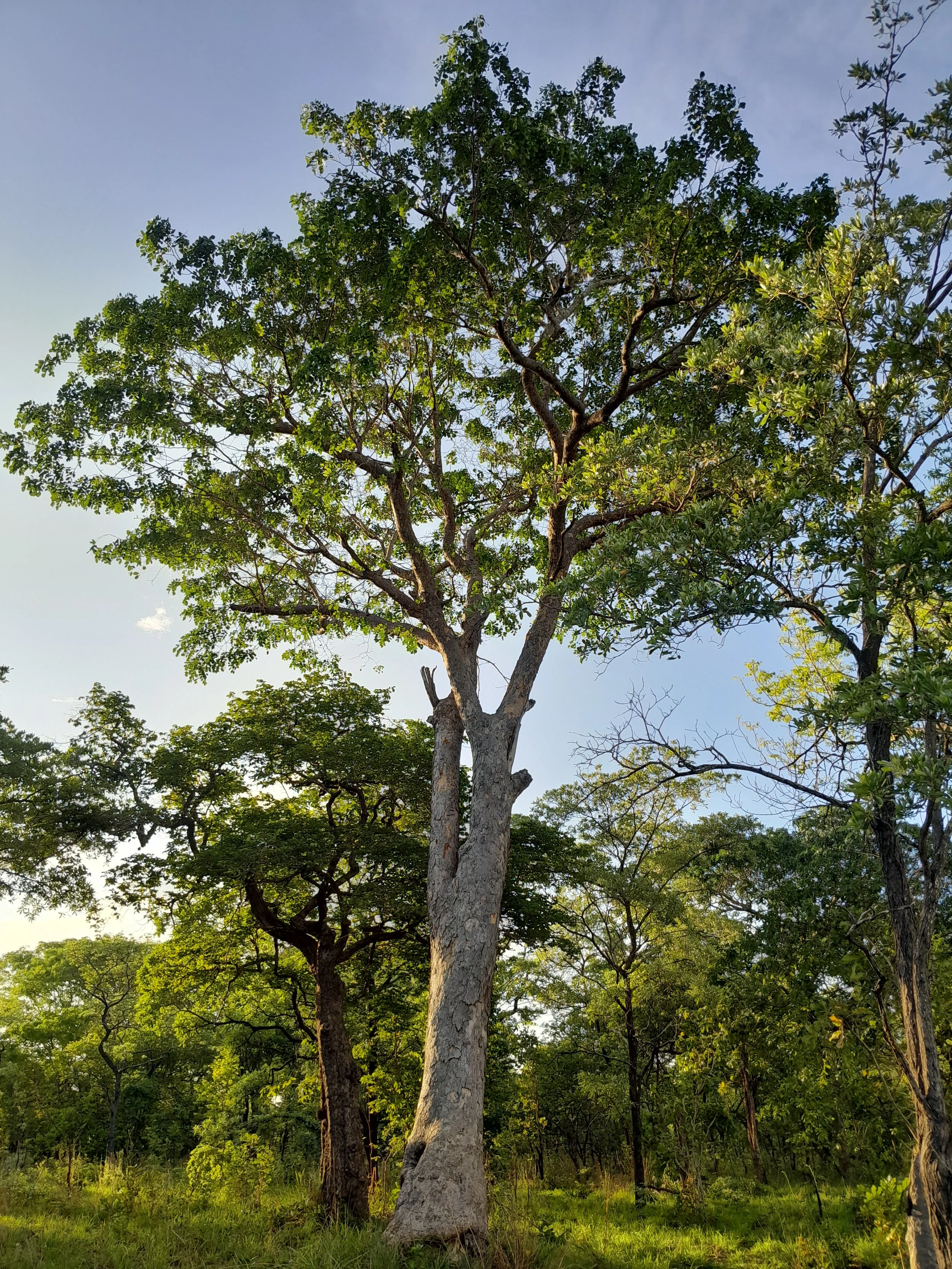
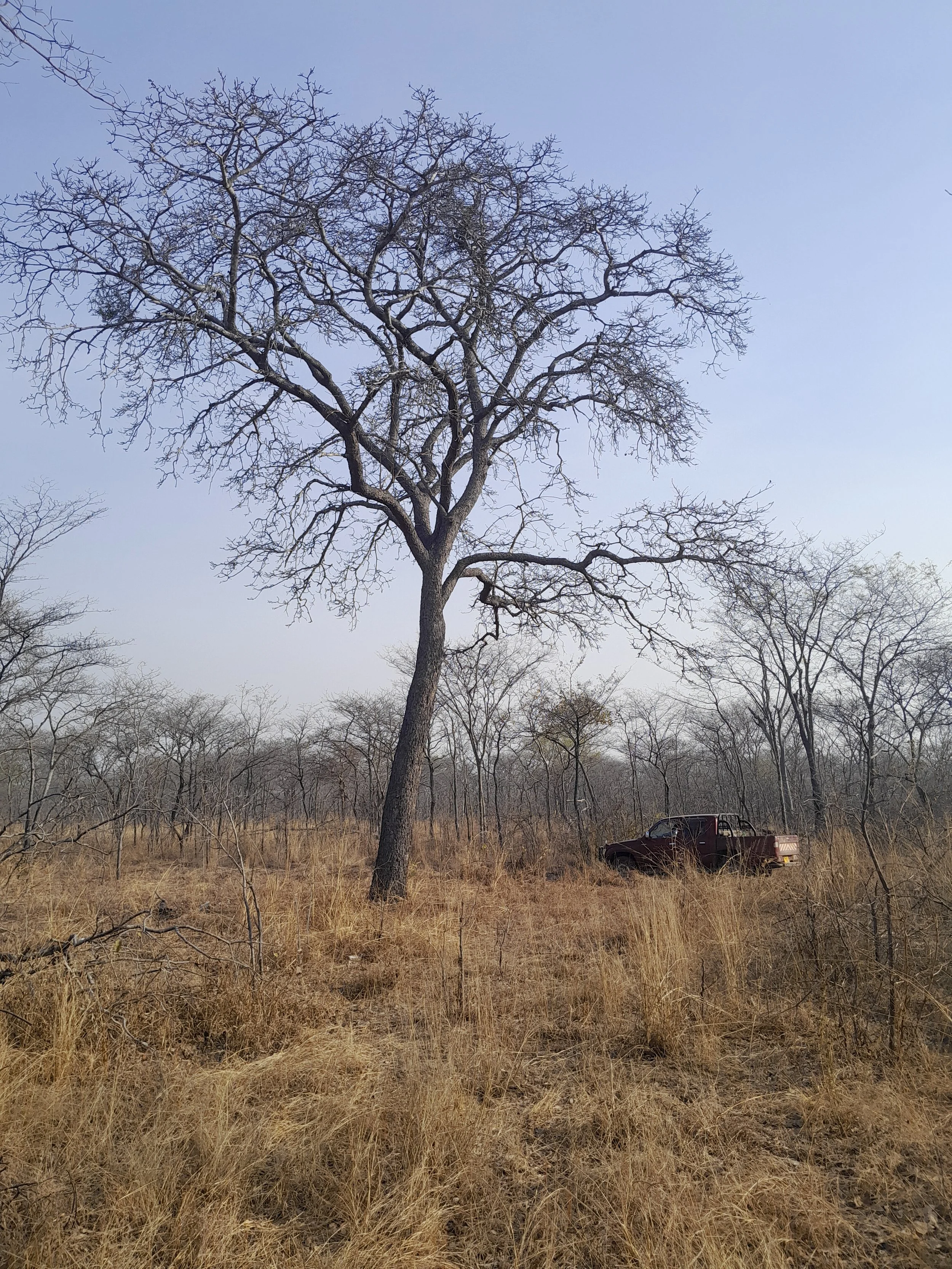
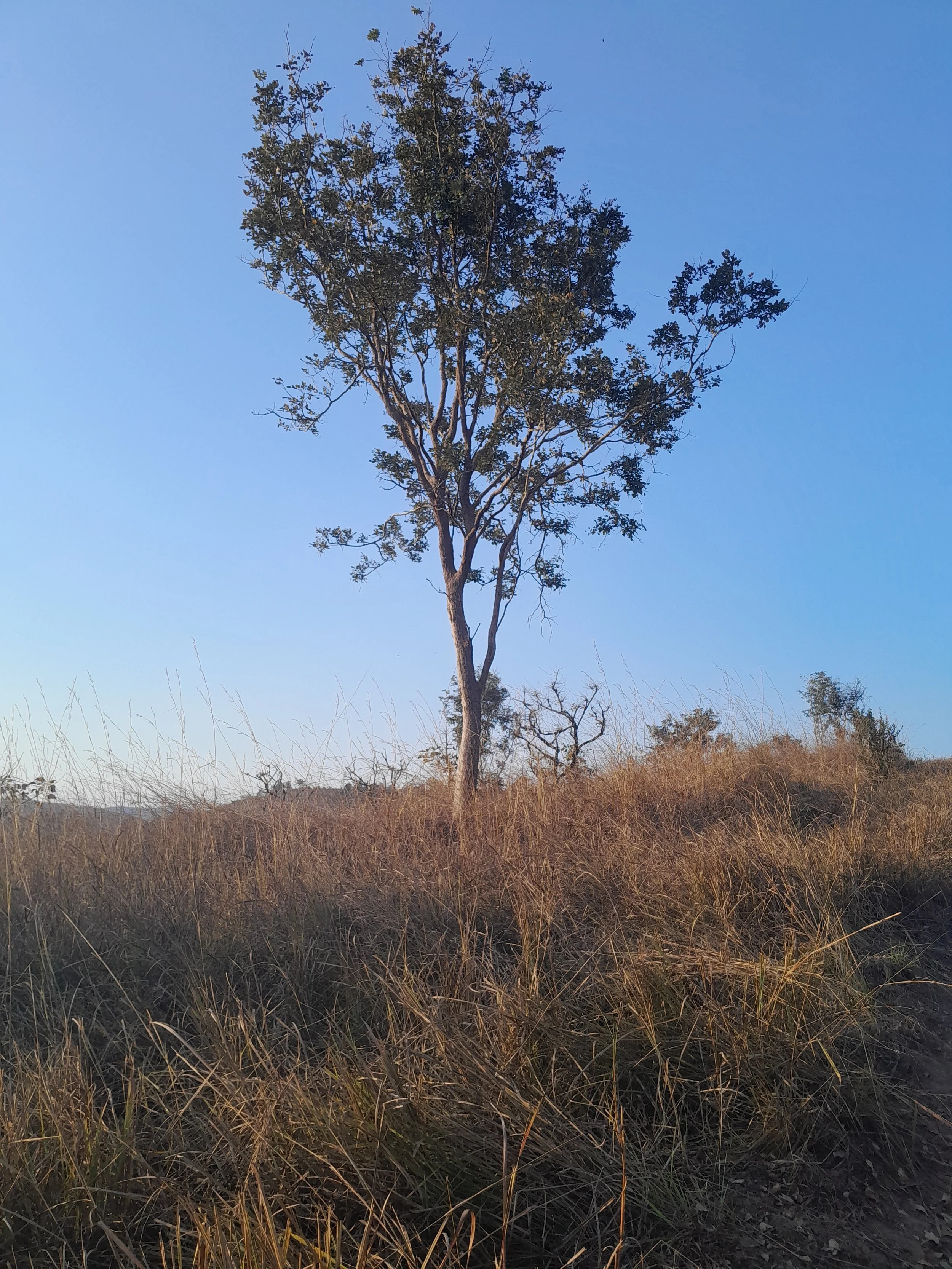

Rithisha produces commercially improved planting material for each of these species, providing large and small-scale growers with the means to supply a growing wood product industry.
Why does it matter?
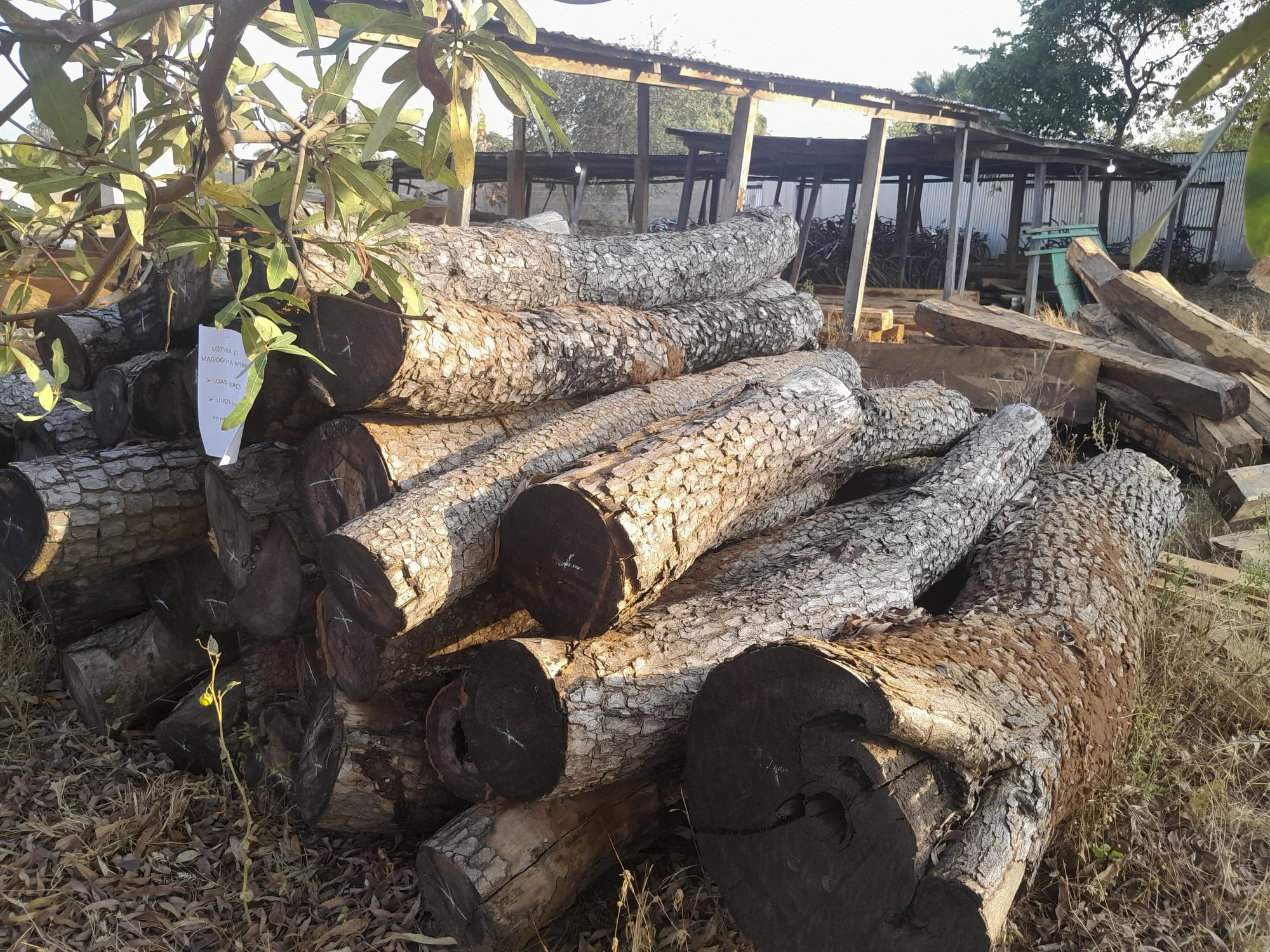
Beyond deforestation is a loss that can't be remedied by replanting. Harvesting selects for the largest, straightest trees — and under sustained pressure, trees with the best form are barely reproductive by the time they're reached. Round by round, productive genes are eroded from the population. What remains breeds on.
The same process has left Tanzania’s elephant populations with few ‘tuskers’: bulls carrying the great curved tusks that once defined the species. Systematic hunting and poaching that targets the largest tusks — beyond sustainable rates, before sufficient breeding — doesn't just remove animals. Populations persist, but genetics dwindle, generation by generation.
Tanzania's valuable timbers are following the same trajectory. The trees are still there, but the ‘tusker’ genes are disappearing.
Quantity
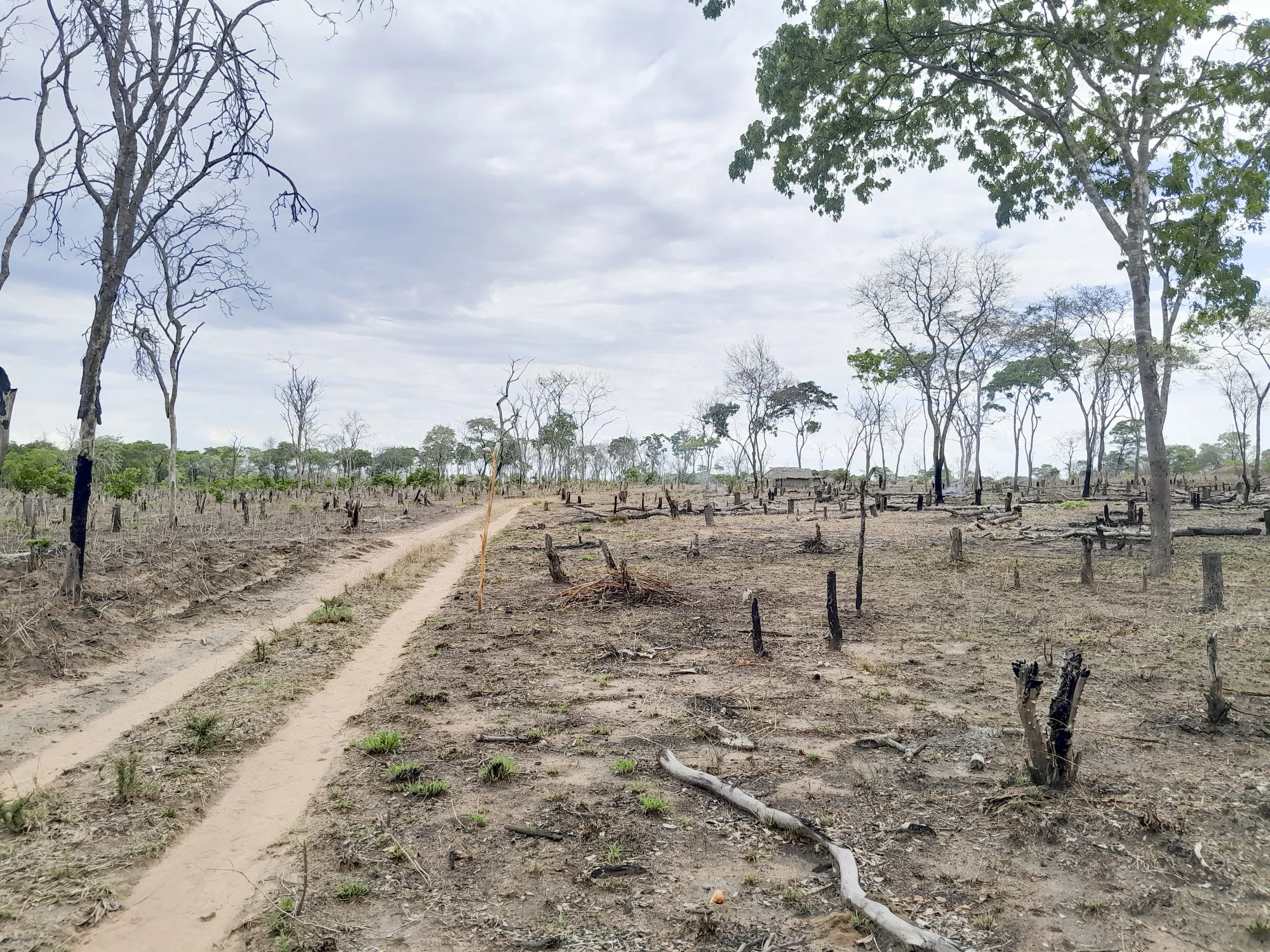
Each year, ~400,000 hectares of Miombo and Northern Zambezian woodland gives way to low-value agriculture.
As woodlands retreat, the harvesting pressure on valuable indigenous timbers species pushes ahead, deeper into increasingly fragmented remaining wild stands.
Quality
With the best genetics being irreplaceably taken off the table, each next generation of trees is skewed toward poorer and poorer form.
Tanzania is rapidly losing trees and the capacity for high productivity.
Changing environmental conditions demand full genetic diversity in order to adapt and persist.
A shallower gene pool costs more than just aesthetics: the future of these species is compromised.
The gap nobody has filled
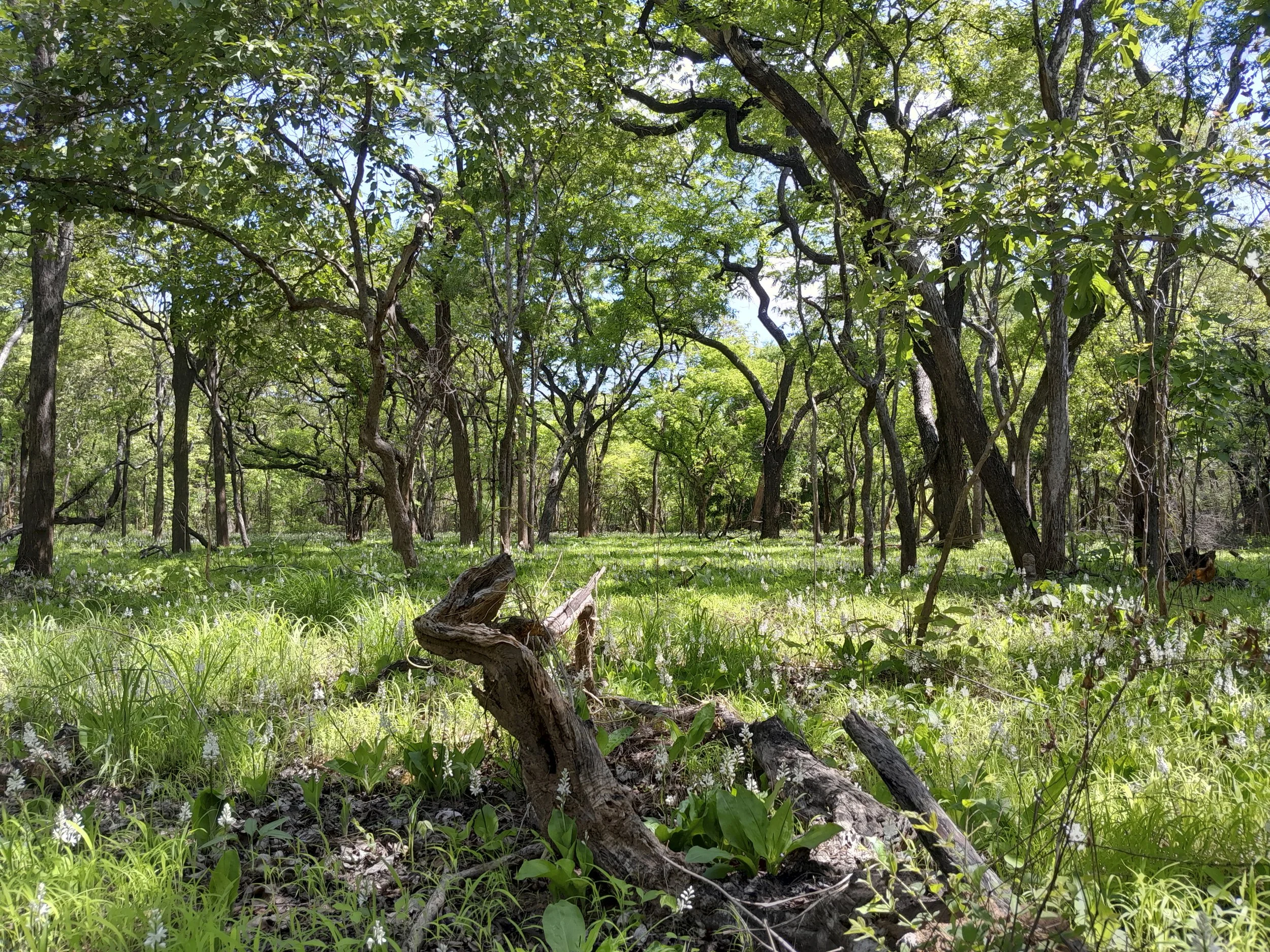
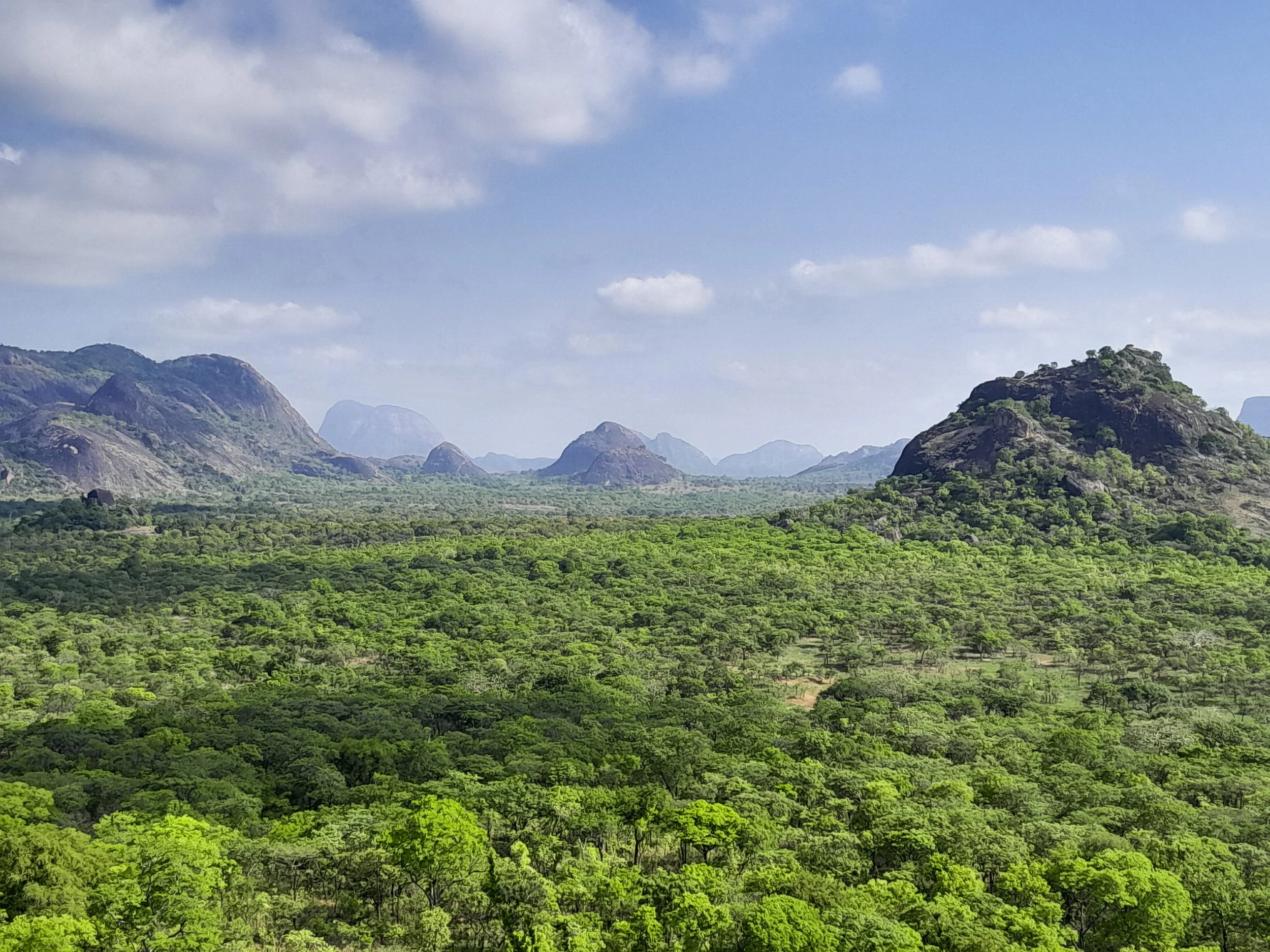
The Miombo and Northern Zambezian is the largest dry woodland ecosystem on earth, spanning ~2 million km², and is Tanzania’s dominant vegetation type.
Commercial plantation forestry programmes have focused on established exotic species – none of which performs reliably across the vast majority of Miombo conditions.
Miombo species are clearly best suited to this vast habitat, but no genetic improvement programme has ever been initiated for any of the four indigenous species that underpin the wood product trade.
Rithisha is first.
How Rithisha works
Rithisha does not plant at a commercial scale; its customers do.
SELECT
Rithisha selects 200+ elite wild trees per species, across geographically distinct provenances the length of their Tanzanian range.
Each physically visited and assessed, controlling for site, against the surrounding population for size, form, health and seed production, so genetic superiority can be inferred.
CONSERVE
Seeds are collected and taken ripe from the crown before insects reach them, then stored family by family.
Rithisha holds an ex-situ reservoir of range-wide diversity, including the superior timber genetics currently being removed from the wild.
IMPROVE
Progeny trials test how each family actually performs at production and utility.
Growth rate, stem form, and wood quality, amongst others, are monitored to identify outstanding expression under commercial forestry conditions
Best performers are bred forward, and the rest are thinned out.
SUPPLY
Seed, seedlings and clonal cuttings are sold to the people who plant: landholders, foresters, agroforesters, restoration practitioners, and timber growers.
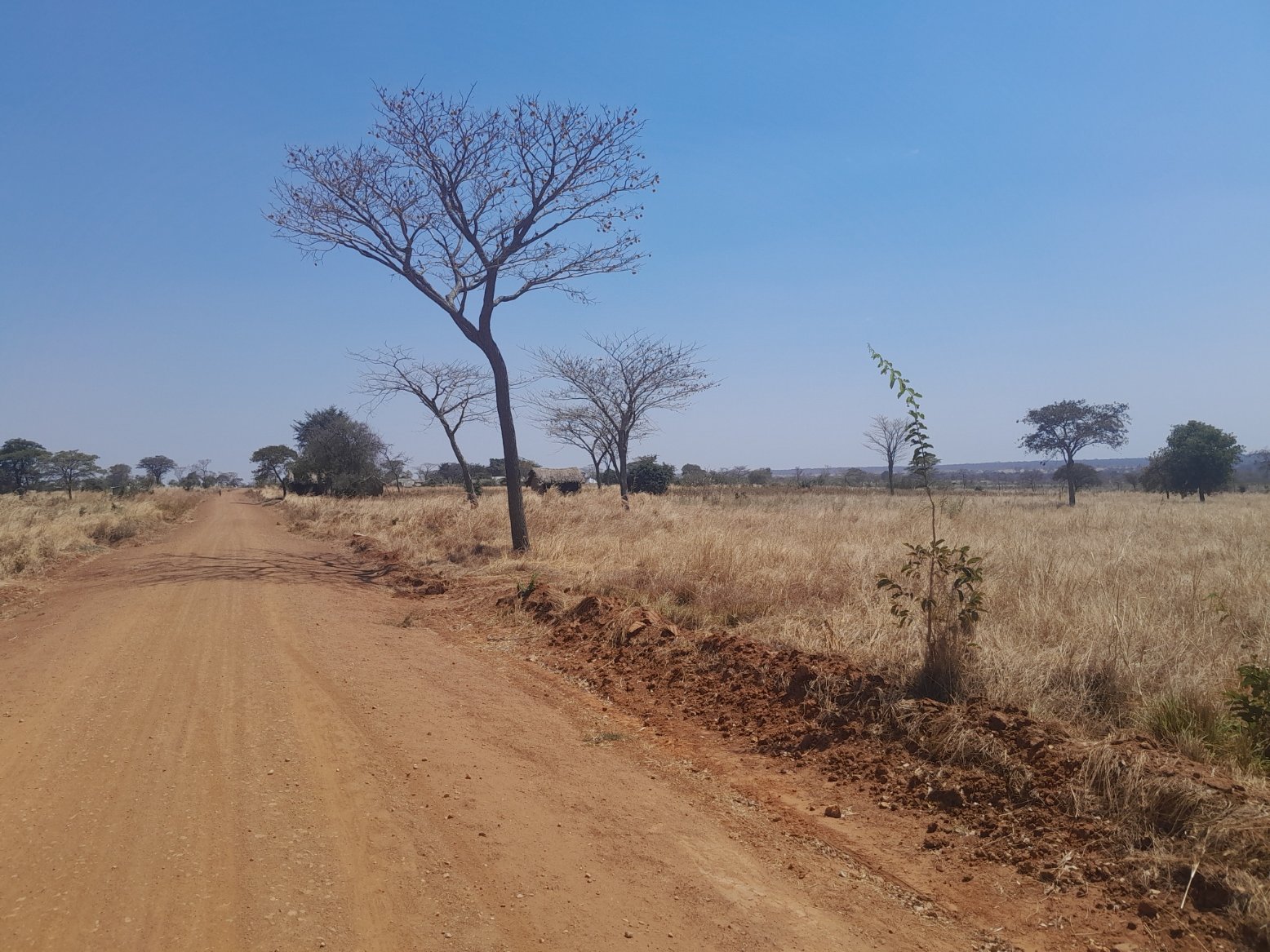
Rithisha is based in the Tabora Region, on the shore of Lake Sagara. This base serves as a nursery, seed store, base camp, and first progeny trial site. Plus trees are drawn from provenances the length of each species' Tanzanian range, ensuring the collection represents the broadest spectrum of genetic diversity.
Rithisha focuses its resources on supplying demand for material, so that existing landholders can grow. Using this model, a single nursery can change what grows across a biome.
Why now?
Tanzania’s indigenous hardwood supply is heading for collapse, while native woodland is being cleared for commercial use – and a national restoration commitment requires millions of hectares of indigenous trees.

Market
Tanzania consumes ~3.4 million m³ of timber against ~3.0 million produced.
Consumption is projected to reach 7.8 million m³ by 2050 – and, at current rates, wild stocks will be exhausted well before then.
Indigenous species supply 14% of industrial roundwood — all from natural woodland, none planted.

Policy
Under AFR100, Tanzania has committed to bringing 11 million hectares to restoration – and 5.2 million by 2030.
National forest policy names expanding domesticated indigenous species as a priority.
Tanzania’s 2020 Tobacco Afforestation Policy mandates 500 trees per hectare of tobacco contracted by the 17 active companies. This already requires ~30 million seedlings annually – and tobacco production is set to double by 2030.

Land
The land is ready and waiting. Landholders across the biome are already attempting commercial forestry with ill-suited exotics. Every year, 400,000 hectares of Miombo woodland is being cleared – and it is in the hands of farmers who want better commercial options.
Rithisha provides the missing piece: genetics for Tanzania’s most valuable native timber species, for demand-led deployment on land of all scales.
Rithisha leverages its market advantage to enable four key changes that would otherwise remain out of reach.
What changes?
-
Range-wide germplasm collection becomes a conservation reservoir, including the superior genetics that are being removed first by the wood industry.
Breeding seed orchards hold this genetic diversity live, not only in storage.
-
For the first time, a landholder anywhere in the Miombo has a native timber crop that performs — a perennial asset on land that has only carried low-value annual crops.
Trees are not raided by wildlife the way food crops are: an advantage to the growing number of landholders on protected area boundaries.
-
Every cubic metre currently comes from natural woodland.
Planted, traceable supply is the only viable alternative, and this cannot exist until the planting material does.
-
Native cover returns to converted land as a consequence of growing a valuable crop rather than a sacrifice instead of one.
This makes the difference between restoration that needs subsidising forever and restoration that pays.
Meet the team
Mark Ghaui
Director | Jilanjo Ltd
Ecologist and Rithisha project lead, Mark has extensive experience in management of natural resource focused projects. He led the plus tree selection phase of Kilombero Valley Teak Company's (KVTC) genetic improvement programme alongside Dr Callister.
Dr Andrew Callister
Forest Geneticist & Tree Breeder | Treehouse Consulting
Andrew is the architect of KVTC's ongoing genetic improvement programme, and has taken bred varieties to market. As a tropical forest tree breeding and genetic improvement specialist, Andrew is Rithisha’s lead for trial design and analysis, and orchard derivation, and nursery research.
Jilanjo Ltd is a Tanzanian forestry company in Iringa. Jilanjo has planted ~2,000 hectares across five plantations in Mufindi District since 2004, ~900 hectares under pine and eucalyptus on previously converted farmland. Rithisha is Jilanjo's development programme, funded from plantation revenue.
TAFORI
Tanzania Forest Research Institute | Institutional Partner
Rithisha is registered as a research project with TAFORI, with research clearance under the research priority area of ‘Plantation Forestry and Tree Improvement’. TAFORI provides institutional oversight for seed collection, trial establishment, and genetic programme governance.
Tanzania Forest Service
Seed Production Department | Institutional Partner
TFS oversees activities within and access to forests and forest resources in Tanzania, including seed collection. TFS is part of the project team of the research project registered with TAFORI. Rithisha is pursuing registration as a certified seed producer via TFS.